
What is a
tapioca?
Brazil's oldest recipe: a dough with no flour and no gluten that comes together right in the pan.
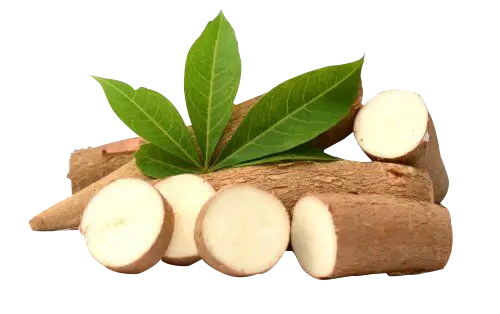
Cassava starch.
Nothing else.
A tapioca is made from the starch extracted from the cassava root — known elsewhere as yuca, aipim or macaxeira. It's grated, pressed and left to settle: that white, hydrated, sifted starch is the whole ingredient.
No wheat flour, no yeast, no milk and no eggs. That's why a tapioca is naturally gluten-free and light — and why the filling is what really matters: always savory, always generous.
Roots of Brazil,
quite literally
Long before the Portuguese arrived, native peoples — the Tupi and Guarani among them — already knew how to transform cassava: grating it, pressing it in a tipiti to remove the liquid, and using even the starch left settled at the bottom.
That technique gave birth to the tapioca. Today it's breakfast, an afternoon snack and dinner across northeastern Brazil, sold from street carts, with every household having its favorite filling.
We brought it to Patagonia just as it is: the same starch, the same pan, with fillings that blend Brazil with what these mountains have to offer.
How it's made
Hydrate and sift
The cassava starch is lightly moistened and passed through a fine sieve until it turns into loose, sand-like grains.
Into the pan, no oil
It's spread over the hot pan. The heat alone melts the starch into a disc — no binder needed.
Fill and fold
One minute in the pan, on one side only, with the filling inside. It's folded shut and served: the tapioca is ready in 3 minutes.